
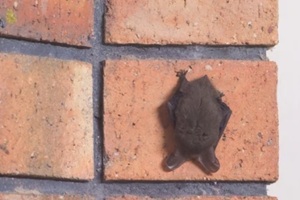
 Bats usually make themselves known before you ever spot the colony, often as a scratching, fluttering sound above the bedroom ceiling at dusk or a brown stain creeping across the attic sheathing.
Bat removal has changed significantly over the past decade, and a job handled today looks nothing like the mothballs-and-poison advice homeowners used to get. Knowing how professional bat removal works is what separates a lasting solution from a temporary fix.
Key Takeaways
|
Why Bats End Up in Your Home
Attic bat removal is one of the most common animal control calls we get across the South Coast and Cape Cod. Attics stay warm and quiet, which is just what a colony needs to raise its pups, and once bats settle in they return to the same roost year after year.
The frustrating part for homeowners is how little space a bat needs, since a gap as narrow as half an inch is enough for one to slip inside. The spots worth checking first are ridge vents, chimney flashing, unscreened attic vents, and the rotted eaves and warped siding, which are also common on older homes in this area.
A thorough inspection looks for tells that are easy to miss on your own, like the dark greasy smudge around a hole where bats squeeze through or the small cones of guano piled on the siding directly below it. Bat activity climbs in late spring, when females gather into maternity colonies to give birth, and by late summer the young are flying on their own and the colony starts to break up ahead of winter. That timing decides everything about how and when a bat infestation can legally be handled here.
Are Bats in the Attic Actually Dangerous?
The honest answer is that a single bat passing through is usually more startling than dangerous, but a colony living in your attic is a different situation. Before anything else, no one in the house should try to handle a bat with bare hands due to the risk of rabies. Anyone who has had direct contact with a bat, or wakes up with one in the room, should wash the area and get medical advice right away instead of brushing it off.
Guano is a slower problem, and as it piles up and dries out, the dust can turn into a respiratory hazard when disturbed, which is an important reason why cleanup is not a step to skip. A colony can also bring in secondary pests such as bat bugs and ticks, so droppings are not the only thing left behind.
Why One-Way Exclusion Beats DIY Bat Control
Ultrasonic gadgets, mothballs, and chicken wire sold online for bat control don’t work, and finding every hole a colony uses takes a full, careful exterior inspection.
In Massachusetts, bats can legally be evicted only in spring and late summer, and never during the June and July maternity season, when flightless pups get sealed inside. Winter is off the table too, since big brown bats hibernate in local attics and would be trapped when they wake. Trying to rush a bat exclusion in the wrong month is both illegal and cruel.
Humane bat removal starts with a full inspection of every active entry point. One-way doors go up next, letting bats leave at night but blocking their return. They stay in place several nights, including a few consecutive nights of decent flying weather, so the whole colony clears out before anything gets sealed.
What Proper Bat Removal Looks Like
Once the colony is out, bat-proofing the home means sealing every gap down to half an inch with materials that will hold. Solid bat prevention comes down to closing the openings a colony was already using along with the ones it would have found next. Which is why the final walk-through matters as much as the first inspection.
The cleanup afterward matters as much as the removal. Guano eats into insulation and carries harmful spores, so contaminated insulation gets stripped out. The area treated as part of safe bat removal from the house. Skipping it leaves the health risk and the smell behind.
What to Ask Before You Hire a Bat Removal Company
A few direct questions tell you most of what you need to know, and they are worth putting to any of the wildlife removal services you are comparing.
- Ask whether the company is licensed and insured. Bat work in Massachusetts is regulated, and an uninsured crew leaves you exposed if something goes wrong on your roof or in your attic.
- Confirm that bat removal is done with humane one-way exclusion. That is both the legal standard in the state and the only approach that actually clears a colony for good.
- Find out whether sealing every entry point is included in the price or billed separately, because exclusion without sealing simply invites the next colony back in.
- Ask how guano cleanup and sanitation are handled, since that work is separate from the exclusion itself. A company that treats cleanup as an afterthought tends to leave contaminated insulation and lingering odor behind.
- Check whether the work is guaranteed, and ask about waste disposal. The follow-up inspection so you know exactly what the full job includes before you commit.
Schedule a Bat Inspection With Spartan
If you think bats have moved into your attic, the first step is a real inspection. At Spartan Animal & Pest Control, Corey Davis handles every bat removal job himself. From the first walk-through to the final check that confirms every entry point is sealed. Call (508) 504-9164 or schedule a bat inspection, and Corey will take a look.