
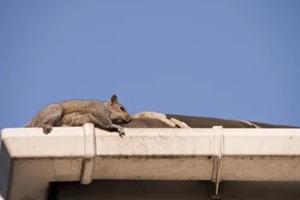
 Squirrels might be cute to watch, bounding around yards and searching for the food they’ve buried. But for all their fluffy tails and big eyes, squirrels are considered pests for a reason. Many homeowners struggle with squirrel removal because these mammals are more clever than they seem.
If you are finding evidence of squirrels in your home, learning pest prevention techniques that work can feel overwhelming. Thankfully, you do have options to prevent squirrel infestations in roofs and attics before they become costly problems.
Wildlife deterrents can help keep squirrels away, but the right solution will depend on the specific features of your home. Here are some pest prevention techniques for squirrels, from attic maintenance tips to preventing roof damage they can cause as they go in and out.
Key Takeaways
|
Why Are Squirrels Such a Problem in a Home?
Some people assume that squirrels simply need a safe space to raise their families. If they are not attacking humans or being loud and annoying, what is the issue? In reality, squirrels can cause significant damage to homes. If they bed in your attic, they can tear up your insulation to make a nest.
They may also chew through important infrastructure such as wiring, which not only stops your outlets from working but can also start a fire. Their waste can build up to ruin ceilings, too. Effective home rodent protection means getting squirrels out and then stopping them from coming back.
How Squirrels Get in and What to Do About It
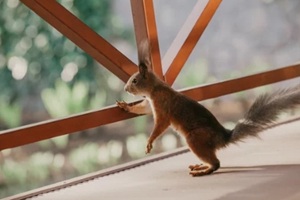 To understand how to succeed at attic squirrel control (and animal-proofing your home in general), you must know how squirrels access attics in the first place. In general, the average-sized squirrel can fit through a hole about 1.5 inches wide, or about the size of an egg. If you do not believe you have any gaps this size, remember that squirrels are powerful chewers and can widen even a small nook into something they can use.
Seasonally, squirrel behavior also changes. They may work harder to get in during the winter, when they are seeking shelter from the weather. During mating season, they are more likely to seek cover to raise their young. Where possible, they will choose unbothered access points: those hidden from predators’ view and free of competition from other pests. Thus, you are more likely to encounter squirrels higher up, where ground predators cannot reach them, and they don’t have to share their hard-won nests with mice or rats.
To stop squirrels from entering, your first step should be finding gaps. Look for openings, especially around your home’s exterior infrastructure: air vents, soffits, piping that goes into the house, and the edges of your roof. If you have a multi-part home that requires your roof to slope at an angle to create a divot, check this area carefully, as roofing tiles are often less consistently placed in this space and can create an opening. Examine the area around your chimney, too, if you have one.
Seal openings as needed, but remember to check what the gap is for. If airflow must remain, consider blocking the hole with a strong metal mesh rather than caulk. Some types of vents have covers made just for them.
Other Options for Squirrel Deterrents
The state of your home is the biggest factor in squirrel infestation; if you leave gaps unblocked, they will have no problem getting in. However, sealing gaps is not the only way to deter these pests.
Consider trimming tree branches away from your home. This removes the bridges that squirrels can use to easily access your roof, discouraging them from climbing your house. Remove edible debris, such as fruit, from trees in your yard as soon as it falls to decrease food sources.
Get Professional Help for a Long-Term Solution to Squirrel Infestation
While you can take some steps to mitigate the threat that squirrels pose to your home, professional pest control is a smart move.
A trusted team can help you find entry points you might never have noticed and offer longer-lasting solutions than you may develop on your own, stopping squirrels from becoming a recurrent issue in your home. Contact Spartan Animal & Pest Control to proactively protect your property from squirrel-related damage.