
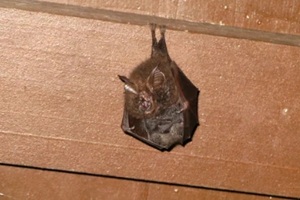
 Are you currently experiencing a bat infestation (or think that you may be)? If so, acting quickly is the best way to minimize the damage and get back to the peaceful, bat-free home you remember. Removing bats requires care and strategy, and it is wise to discuss your challenges with professional bat removal services. They can help you make sure every bat is out of your home and cannot return.
However, it is also wise to begin acting on your own as soon as possible. From safe and effective exclusion methods to proper cleanup after bats are gone and long-term prevention to defend against bats in the future, you have many stages in your journey to overcome a bat problem.
Here is a guide to get you started, not just on removal, but on the legal considerations, health risks, and strategies for bat exclusion that may resolve the issue so it does not happen again.
Key Takeaways
|
Bat Exclusion: How to Get Rid of Bats
If you need to remove bats from your attic, acting quickly is one of the smartest choices you can make. The more bats you have, the more babies (pups) they will have, worsening the issue. However, your first instinct might not be the right choice. Exclusion is the approved method of bat control in almost all locations. Bat exclusion means locking the bats out of the home by allowing them to exit but preventing their return.
Humane bat removal is a must; most jurisdictions do not permit harming bats with poison or other means because they are invaluable to the health of the environment. More than a dozen species of bats are federally protected as endangered or threatened species. Exclusion is also a more compassionate choice, and many people prefer it. Keep in mind that if you choose to ignore these restrictions, you may receive fines or other penalties depending on your local laws.
Bat exclusion is best achieved through one-way doors. Identify where the bats are entering and exiting, and install exclusion devices over the gap. This means that the bats will exit, but when they return, they will not be able to use the gap or enter the exclusion device. Once all the bats have gone, you may seal their entry point.
Cleaning Up After a Bat Infestation
One of the most serious issues with a bat infestation is the damage their droppings can do to your home. Bat droppings are moist and smelly; they may carry fungal spores that lead to histoplasmosis, a potentially life-threatening lung condition. Too many droppings can rot your home’s wooden features or cause permanent structural damage.
Cleaning up after a bat invasion is best left to the professionals, who have specialized personal protective equipment prepared for this task. Bat cleanup services will make sure your home is safe and clean, so you do not have to endure the odor of guano.
How to Prevent Bats from Colonizing Your House

After you have gone through the effort of bat infestation removal, you want to shore up your home so that the issue does not happen again. While it may be tempting to leave your exclusion devices installed, the better option is to close the gaps entirely. If bats cannot get in, there is no possibility that they will claim your home as their own.
Examine the exterior of your home carefully, or contact professionals to do so for you. They can seal holes and cracks to block off all entry points so that bats cannot return. Pay special attention to areas with apparent dirty or oily streaks, which bat fur can leave behind if bats are entering the home from that location.
Get Bat Control Help from the Professionals
If you need help at any stage of the bat removal process, from inclusion to cleaning and stopping bats from entering in the future, working with the professionals is the best way to see long-term results. The team at Spartan Animal & Pest Control can help you through every step of this process, from identifying a bat problem to making sure they never return. Contact Spartan to schedule a visit so we can provide customized guidance.